

Medical tourism has grown into a $115.6 billion industry, with millions of U.S. residents traveling abroad for medical procedures ranging from heart surgery to dental work. The appeal is undeniable — lower costs, access to specialized treatments and the chance to visit another country while receiving care. However, patients may face complications such as infections, outdated equipment or lack of legal recourse. Understanding these risks is essential for anyone considering international medical care.
Common Medical Tourism Complications
While many medical tourism experiences are successful, international care presents unique risks that you should consider before traveling. Adverse effects attributed to medical tourism include wound, bloodstream and donor-derived infections, as well as bloodborne pathogens like hepatitis and HIV.
- Surgical site infections: The CDC has documented multiple cases of infections following procedures in the Dominican Republic and Mexico, ranging from superficial wound infections to life-threatening systemic infections.
- Blood clots: Deep vein thrombosis and pulmonary embolism pose serious risks, especially when combined with long flights and postsurgical immobility.
- Anesthesia complications: Varying standards in anesthesia protocols and monitoring can lead to adverse reactions or inadequate pain management.
- Transmission of antibiotic-resistant bacteria: Exposure to drug-resistant pathogens increases infection risk and complicates treatment.
- Unsatisfactory results requiring revision surgery: Poor outcomes may necessitate additional procedures, often at high cost and with extended recovery periods.
Postsurgical Travel Considerations
International surgery complications include infection, surgical wound dehiscence and travel hazards. For example, flying after surgery increases the risk of blood clots because it requires patients to sit for extended periods while in a hypercoagulable state.
Commercial airlines often require a “Fit-to-Fly” letter before allowing postsurgical patients to board. Obtaining physician consent can be challenging when dealing with an international provider unfamiliar with your medical history. Additionally, standard airline seating limits the ability to monitor vital signs, manage pain medications or respond to complications.
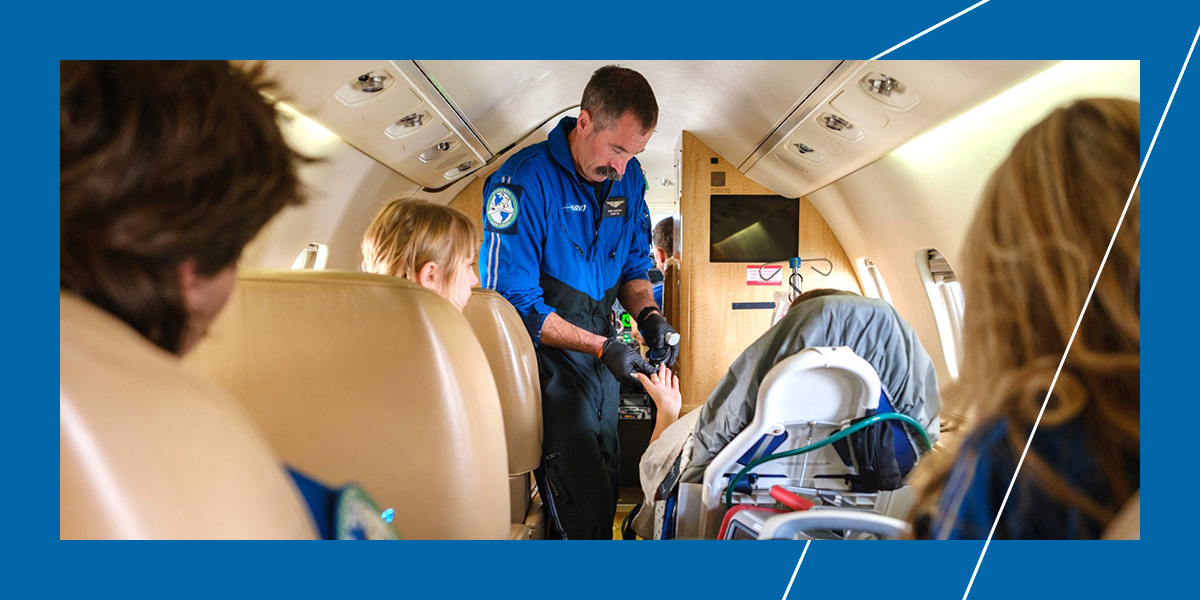
When you need medical tourism transport, choose a provider based on factors like your specific medical condition and stability. Long-range air ambulances provide comprehensive medical equipment and monitoring for patients needing intensive care during transport.
Medical Records and Continuity of Care Challenges
Care fragmentation is a serious challenge for medical tourists experiencing complications. The lack of standardized postoperative care protocols represents a critical gap in medical tourism. Many patients return home to find their health providers reluctant to manage complications from overseas procedures.
Communication between foreign and local physicians is often lacking, which makes it difficult to manage follow-up care. Foreign providers are not subject to U.S. HIPAA regulations, creating gaps in privacy protection. This discrepancy can result in delayed symptom recognition and inappropriate treatment decisions. Patients often act as the primary messengers for their medical records — transporting documents that may be partial, lost or written in a foreign language.
What Does Insurance Cover?
Most health insurance plans, including Medicare, offer little to no coverage for international procedures or complications. This gap can leave medical tourists responsible for paying high out‑of‑pocket costs, especially if you experience a severe complication or need an emergency evacuation.
Before traveling for medical care, thoroughly review your health insurance policies to identify coverage gaps. Work with your local and overseas providers to plan for potential complications.

You may also need to purchase supplemental medical coverage. Consider these international travel insurance policies.
- Domestic health insurance: Review your existing policy to understand what services, if any, it covers outside the United States.
- Travel disruption insurance: Covers trip cancellations, delays and lost baggage, but typically excludes medical complications.
- Travel health insurance: Provides coverage for international medical care, though often with limitations and exclusions.
- Medical evacuation insurance: Covers the cost of medical transport back to the United States. This type is often necessary in remote destinations or areas with substandard care.
Communication and Language Barriers
Language and communication barriers can lead to misdiagnoses, medication errors and lower patient satisfaction. Communication failures between practitioners and patients can cause severe harm. While many international hospitals employ English-speaking staff, language proficiency may vary among personnel.
Specifically, language barriers can affect communication about treatment plans. Misunderstandings about medication dosages, postoperative instructions or complication warning signs can have serious consequences.
Quality of care also varies between destinations. Differences in provider training, facility accreditation standards, equipment quality and infection control protocols can impact patient safety and outcomes.
Legal Protections and Patient Rights
Complications often put medical tourists in a legal gray zone. International care can create accountability gaps when errors, misdiagnoses or inadequate treatment occur, and you may not have the same legal options you take for granted at home.
Each country sets its malpractice laws, and some offer far fewer protections than the U.S. Filing a claim abroad can be complex and expensive, which makes choosing a qualified provider — and having a contingency plan — even more essential.
Privacy adds another layer of risk. Cultural norms, laws and language barriers can lead to misunderstandings or breaches that would be unacceptable under U.S. standards.
Because HIPAA doesn’t apply to foreign providers, personal travel insurance is a crucial safeguard. You can also reduce risk by choosing a facility accredited by Joint Commission International, which upholds standards for informed consent, confidentiality and access to care.
Planning for Safe Medical Transport Home
If you need to return home while recovering from a procedure abroad, long-range air ambulance services provide the personalized care you need to do so safely. These flights operate with trained medical crews, allowing for continuous assessment throughout.
Professional medical escorts offer a safe alternative for patients who are stable but cannot fly commercially. With this service, a medical professional accompanies you on a standard flight, monitoring your condition and managing issues that arise. Both options ensure you receive appropriate care while avoiding the risks of flying alone too soon after a procedure.
Before traveling abroad for medical care, discuss potential complications with your U.S. physician and international provider. Know who to contact if you need to arrange medical transport, so you can act quickly and confidently if your situation changes.
Return Home Safely With AirCARE1
If you or a loved one faces complications during medical tourism, AirCARE1 is here to help. We specialize in long-range, fixed-wing air ambulance transport and commercial medical escort services, providing the medical care and supervision you need for a safe journey home.
Our experienced medical crew assesses each patient individually and delivers care with compassion and expertise throughout the entire transport. When choosing a direct provider, you can trust that you’re in good hands.
You deserve peace of mind while traveling internationally. Contact us today to request a quote or discuss your medical transport needs with our team.