
Waiting for an organ transplant for yourself or a loved one may feel overwhelming at first, but learning more and preparing for the process can put your mind at ease.
One of the most important considerations is how you will reach the transplant center when an organ becomes available. Organ transplants are time-sensitive, so it’s essential to plan for reliable transportation options before a procedure. When the United Network for Organ Sharing (UNOS) matches you with a donor, you may need to be at the hospital in a matter of hours, depending on the organ’s viability time frame.
How Are Organ Donors and Recipients Matched?
UNOS uses a complex system to match organ donors and recipients based on the following factors:
- Blood type compatibility
- Tissue type compatibility
- Medical urgency
- Organ size
- Donor weight and height
- Recipient’s time waiting on the transplant list
- Age
- Distance between the transplant hospital and the donor’s location
Can I Find My Own Organ Donor?
Vital organs, such as the heart and lungs, are only available from deceased donors through the UNOS system. In some cases, you can find a living donor through your own network and transplant program for organs such as the following:
- Kidneys
- Liver lobe
- Portions of the pancreas
How Long Is an Organ Viable?
An organ’s viability is its ability to remain healthy and functional. Each organ is viable for a certain number of hours between its removal from a donor and its placement in a transplant patient. Receiving an organ within its viable time frame is vital for a successful transplant. The following organs can last for various durations:
- Heart and lungs: Hearts and lungs have the shortest viability time frame of six hours, so timing is crucial in these types of transplants.
- Kidneys: Kidneys can last up to 36 hours between removal and transplant.
- Intestinal organs: Hospitals typically transplant intestinal organs within 12 hours.
- Pancreas and liver: Recipients typically undergo pancreas and liver transplants within 12 hours.
Transplant teams use cold storage to slow metabolic processes and preserve viability. Advanced preservation methods, such as machine pulsatile perfusion, can extend organ viability. However, not all hospitals and transplant centers have adopted these methods.

What Happens When I Match With an Organ Donor?
The transplant center can call you at any time about a donor organ, and it’s important to respond immediately. The team tells you when to arrive at the hospital for preoperative preparations. These preparations involve lab work and health evaluations to ensure you’re ready for your transplant. Following preparations, the transplant team discusses the donor’s medical history and the benefits and potential risks of the transplant with you.
Do I Need Specialized Travel for a Transplant?
You must travel to a designated transplant center for your procedure, but the distance you need to travel depends on your location. In some cases, you may need to travel a significant distance to reach the nearest transplant hospital or receive specialized care.
UNOS often tries to match donor organs to local candidates or patients in close proximity to the donor because organs have time-sensitive viability. However, matches can also happen for candidates located at more distant hospitals. Your transplant team preserves and transports the organ to your transplant hospital, and you must reach your transplant location on time for your procedure. You may need specialized medical transport for one of the following reasons:
- You need to reach your transplant center as quickly as possible.
- You have a medical condition requiring close attention and care.
- You live a long distance from the nearest transplant center.
What Is the Best Type of Organ Transplant Transport?
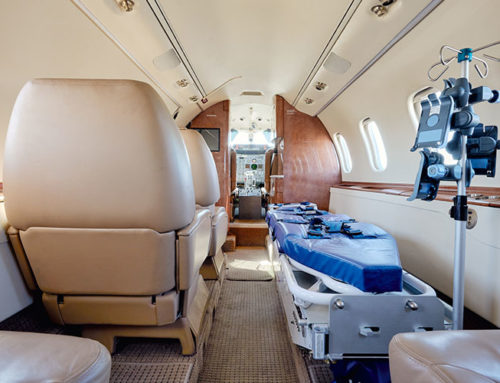
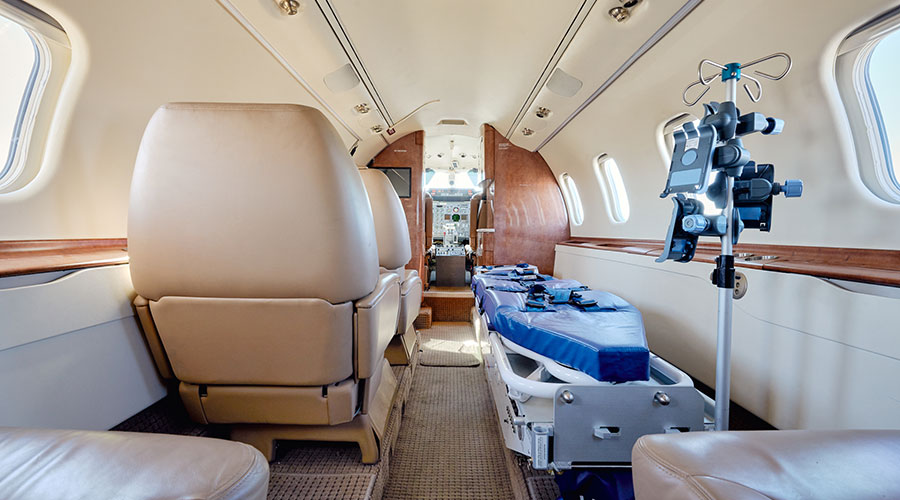
An air ambulance is the best option for reaching your transplant center. Air ambulances feature in-flight medical equipment and specialized care, monitoring your health and reaching your transplant hospital rapidly.
What Are the Advantages of Using an Air Ambulance?
Using an air ambulance for your organ transplant transportation offers these advantages:
- Personalized in-transit care: An air ambulance can provide more personalized care than ground transportation. Medical flights contain the specialized supplies and equipment necessary to monitor your condition and intervene if necessary. Flight medical teams provide bed-to-bed care from the moment they pick you up to when you reach your transplant hospital room.
- Speed and safety: An air ambulance takes you to your transplant destination faster than ground transportation could. Air ambulance teams meet strict regulatory compliance to transport you quickly and safely.
How Much Is an Organ Transport?
The cost of transporting an organ varies and is typically included in your overall transplant costs. Factors affecting the cost are the size of the transplant team, the transport distance and whether the team uses ground or air transportation.
The cost of personal air transport to reach your transplant hospital also varies, but it’s separate from your procedural costs. Air transport is a specialized service that is billed through the flight provider. In some cases, your insurance may cover part or all of an air ambulance, and an air ambulance provider can help you navigate your options. It’s important to choose an honest company that offers transparent pricing without extra post-flight costs.
Advantages of AirCARE1’s Patient Transport
AirCARE1 provides air ambulance services to help you reach your transplant center on time for your procedure. Flying with AirCARE1 offers the following advantages:
- Advanced medical monitoring and attention: Our fixed-wing aircraft are airborne intensive care units (ICUs) equipped to meet your medical needs. Each one contains advanced medical equipment to monitor your health, manage medical conditions and address any in-flight emergencies.
- Medical expertise: Each AirCARE1 medical crew member has an extensive background in acute critical care, enabling them to handle any situation you encounter during your transport.
- Holistic care: We provide holistic care services, including aromatherapy, noise cancellation and gentle hand massages, to promote comfort, healing and calmness.
Trust AirCARE1 With Your Organ Transplant Transport
When you receive the call you’ve been waiting for and need to reach the transplant center, time is precious. AirCARE1 offers transplant transport services you can depend on, taking you to your designated location when it’s time to receive surgery. Our compassionate team provides personalized care and attention, monitoring your health from the time we pick you up to when you reach your transplant hospital room.
Our highly trained flight and medical teams deliver exceptional holistic care, including necessary medical interventions and extra comfort measures for peace of mind. We use transparent pricing and help you navigate your insurance, eliminating unexpected post-flight fees so you can focus on healing.
Trust AirCARE1 to transport you or a loved one to the proper transplant center quickly and safely. Contact us to request a quote and learn more about our patient transport services.