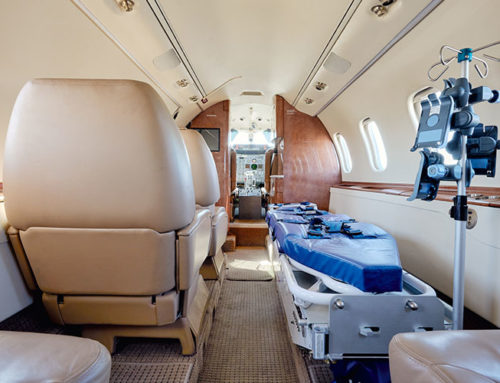

Flying with high blood pressure is possible, but it’s important to take precautions. While high blood pressure is a manageable condition, flying poses potential risks if left untreated. Talking to your doctor, taking preventive measures and seeking medical air transport when necessary are excellent ways to stay safe.
Does Flying Raise Blood Pressure?
Flying does increase blood pressure in some individuals. This increase can occur for the following reasons:
- Reduced oxygen: An aircraft’s cabin pressure is lower than the pressure you experience at sea level. This can reduce oxygen levels in your body, causing the heart to pump harder as it moves oxygen to your organs.
- Changes in air pressure: Changes in air pressure during takeoff and landing can also stress the cardiovascular system, causing fluctuations in blood pressure.
- Stress: Travel can increase stress levels due to long lines, security checks, crowds and potential delays.
- Dehydration: A cabin’s low humidity can contribute to dehydration, which can increase the antidiuretic hormone known as vasopressin, constricting the blood vessels and increasing blood pressure.
Potential Complications When Flying With High Blood Pressure
Flying with high blood pressure can cause the following complications without proper management:
Deep Vein Thrombosis
Deep vein thrombosis (DVT) occurs when a blood clot develops in a deep vein. Common symptoms are swelling, redness and pain in the thigh or calf. With DVT, you may also notice visible or bulging veins, skin that is warm to the touch or pain when standing and walking.
Untreated DVT can lead to post-thrombotic syndrome, which damages the affected vein and causes symptoms such as pain, swelling and skin ulcers. Unmanaged high blood pressure increases the chances of DVT because it damages blood vessel walls, impairs circulation and creates a state of hypercoagulability that makes it easier for blood to clot.
Pulmonary Embolism
If a blood clot develops, it can break off and travel to the lungs. This is known as a pulmonary embolism, and it can block one or two arteries in the lungs. Medical professionals can remove clots with surgery or dissolve them with medications, but a pulmonary embolism can be life-threatening if left untreated.
Heart Attack
High blood pressure can damage arteries, forcing the heart to work harder to pump oxygen throughout the body. This can eventually lead to blockages that reduce blood flow to the heart, damaging artery walls and causing plaque buildup. If plaque narrows the arteries, ruptures and creates a clot, it can block blood flow and cause a heart attack.
Flying with untreated high blood pressure slightly increases the risk of a heart attack due to air pressure changes, low humidity, immobility and potentially increased stress.
Stroke
Unmanaged high blood pressure can also damage blood vessels in or around the brain. If plaque builds up in the arteries, a piece of the plaque can break off, travel to the brain and cause a rupture or blockage known as a stroke. Traveling with untreated high blood pressure increases the chance of a stroke due to the higher risk of blood clots.
Flying Safely With High Blood Pressure
Use the following tips and strategies to support your health when flying with high blood pressure:

1. Consult With Your Doctor
Consulting with your doctor is the most important way to protect yourself before traveling, especially if you have untreated high blood pressure. Your healthcare provider can determine the best treatment for your blood pressure, determine if you are safe to fly and adjust your medication schedule based on specific time zones.
2. Manage and Monitor Your Blood Pressure
Pack blood pressure medications in your carry-on luggage so you can take the proper doses on time. It’s also important to keep them in their original containers and pack copies of your prescriptions to ensure they pass security checks. If you’re crossing time zones on your flight, make sure you adapt your medication schedule.
Ask your physician if there are any medications you should avoid, such as decongestants that can increase blood pressure. Your doctor may also recommend monitoring your blood pressure with a portable device during your trip. When taking readings on the flight, position your arm at heart level. Take readings at consistent intervals, such as every two to three hours, and record the results to share with your doctor.

3. Promote Circulation During Your Flight
These tips can help you increase circulation and prevent blood clots during your flight:
- Opt for shorter flights if possible: Taking a shorter flight is easier on your cardiovascular system because it shortens the duration of risk factors such as pressure changes, low humidity and immobility. Depending on your destination, it may be best to book a short flight and then rent a car to drive the rest of the way.
- Move as much as possible: Standing up and moving your body helps increase blood flow, reducing the risk of blood clots. About every hour, get up and walk to the bathroom and back so you can stretch your legs.
- Stay hydrated: Maintaining a consistent diet while traveling is also important for managing blood pressure. Avoid salty snacks, caffeine and alcohol, which cause dehydration. Choose fruits, vegetables or nuts instead. You’ll also want to drink plenty of water.
- Wear loose clothing: Wear loose clothing to avoid restricting blood flow in your waist or legs. Compression socks can also help prevent blood clots and reduce swelling in the legs. Wear them throughout the flight to promote circulation and keep your legs comfortable. Bring an empty water bottle to fill after passing through security and set reminders to drink water regularly throughout the flight.
- Try specific exercises: While seated, perform simple exercises to promote circulation. Rotate your ankles clockwise and counterclockwise for a few minutes every hour. Perform calf raises by lifting your heels off the floor while keeping your toes planted. Repeat these exercises every 30 to 60 minutes to keep your blood flowing.
4. Watch for Warning Signs of Complications
Notify the cabin crew if you feel unwell or notice any of the following warning signs of complications:
- Chest pain
- Severe headache
- Shortness of breath
- Blurred vision or dizziness
- Pain, tenderness or swelling in one leg
5. Manage Stress
Arrive at the airport early to help manage stress on the day of your flight. This gives you plenty of time to check luggage, go through security lines and find your gate. You can also practice stress-reducing activities such as walking or deep breathing to maintain healthy blood pressure levels.
Can You Fly if You Have Pulmonary Hypertension?
Similar to high blood pressure, you can fly if you have pulmonary hypertension as long as you manage it safely. Pulmonary hypertension is high blood pressure in the lung’s arteries, and higher altitudes can further constrict the blood vessels in the lungs.
A flight’s lower oxygen levels can increase pulmonary artery pressure, exacerbating the condition. To fly safely with pulmonary hypertension, follow the same tips listed above for flying with high blood pressure. You may also need to fly with supplemental oxygen. Consult with your healthcare provider before your flight to determine if you’re safe to fly and the specific precautions you should take.
What to Do if You’re Unable to Fly Commercially With High Blood Pressure
If your high blood pressure is unmanaged or occurs alongside additional cardiovascular conditions, flying may be unsafe. However, you may need to travel to reach a better healthcare facility, relocate for hospice care or return home after a medical emergency abroad. In these cases, you can depend on the following services to help you fly safely:
Air Ambulance
An air ambulance serves as a mobile intensive care unit with highly trained medical professionals and advanced medical equipment. It’s the best option if you’re in a critical or unstable condition and need to take a long-distance flight over 350 miles that lasts one to six hours.
While high blood pressure on its own may not require this service, you might need to book an air ambulance if you experience shortness of breath, chest pain or stroke symptoms. An air ambulance team can take you directly from your current location to a hospital offering the care you need. During your flight, a medical team monitors your condition and provides the necessary care to keep you stable and comfortable.

Medical Air Transport
A medical air transport service also offers safe flights with a team of medical professionals and advanced equipment. Medical air transports are intended for individuals in stable but noncritical conditions. This is the ideal option if your high blood pressure makes flying uncomfortable or challenging.
If you experience a medical condition alongside your high blood pressure or your high blood pressure causes a serious condition, such as a heart attack, you may need medical air transport to reach a destination hospital. This service helps you reach a medical facility in a fraction of the time, and it provides a controlled, quiet atmosphere with professional medical accompaniment.
Air Medical Escort
In some cases, you may be safe to fly commercially but need assistance monitoring your condition. Flying with a medical escort is an excellent option if you want extra peace of mind while flying with high blood pressure. A medical escort accompanies you on a commercial flight, helping you manage your medications, monitor your health and stay comfortable from takeoff to landing.
A medical escort also provides an easier travel experience because they handle the flight’s logistics, including medical clearances, airline bookings and ground transportation. Each air medical escort carries medical equipment and FAA-approved oxygen so they can tend to your needs if necessary.
Is Air Evac Insurance Worth It?
Air ambulance travel insurance is important if you travel to or live in a remote area, require specialized care due to a preexisting condition, or travel frequently. Traditional health insurance doesn’t always cover the cost of an air ambulance, so air evacuation insurance could be a valuable investment.
AirCARE1’s Medical Flight Services
AirCARE1 offers air ambulance, medical air transport and air medical escort services to help you reach your destination safely and comfortably. Trusting our flight and medical teams with your air transport needs offers the following advantages:
- Safety: Our medical teams have extensive experience and receive ongoing training to provide the best medical care possible. We also participate in the Federal Aviation Administration-recognized Safety Management System Voluntary Program, which reflects our dedication to meeting international flight safety standards.
- Expertise: Each of our medical crew members possesses the critical care knowledge to assess your condition and perform any necessary care or changes to enhance your clinical outcomes.
- Holistic care: Our medical teams offer holistic care to meet your medical needs and help you feel calm. We use additional measures, such as hand massages, aroma therapy and noise cancellation, to help promote healing.
- Compassion and empathy: We treat each patient with empathy and compassion, providing comfort and peace of mind during transport.
- Assistance with insurance: We handle the insurance process to ensure your provider approves and clears your flight before arranging your flight details. Our goal is to provide a smooth process for you from start to finish.
- Transparent pricing: We believe in full transparency. AirCARE1 includes full costs upfront, so there are no surprises.
Trust AirCARE1 to Help You Fly Safely With High Blood Pressure
Flying with high blood pressure requires some extra planning, but it’s possible with the right measures. If you have unmanaged high blood pressure or a serious condition caused by your high blood pressure, you may feel safer taking a medical flight to your destination or flying commercial with a medical escort.
AirCARE1 offers safe, comfortable medical air transport services to give you greater peace of mind. Our expert teams can monitor your condition, respond to your needs quickly and enhance your healing process while taking you where you need to go. Request a quote to learn more about our services and arrange a medical transport.