American CareSource Holdings Takes to the Skies with AirCARE1 Signing

October 19th, 2009

DALLAS–(BUSINESS WIRE)–American CareSource Holdings, Inc. (Nasdaq: ANCI), the nation’s leading ancillary health care system, today announced the expansion of its transportation services category with the signing of AirCARE1 International, a worldwide ambulance service specializing in the airborne intensive care transportation.

“Transportation is one of our 31 specialty service categories at Ancillary Care Services,” said President and CEO David S. Boone. “Our new contract with AirCARE1 International allows us to broaden the spectrum of services in the transportation category by including not only ground transportation, but in instances of significant distance, air transportation. The highly qualified staff of AirCARE1 International is a valuable addition to the Ancillary Care Services network.”

“Jake Jacobsen and I formed AirCARE1 International to ensure patients receive the highest quality of care during their air ambulance transport experience,” said President and Co-Founder Denise Waye, BSN, RN. “By researching the needs of the industry, we have been able to provide quality of patient care that is unmatched in the industry. We are excited to be a part of a network that places a premium on quality transportation service providers like AirCARE1 International.”

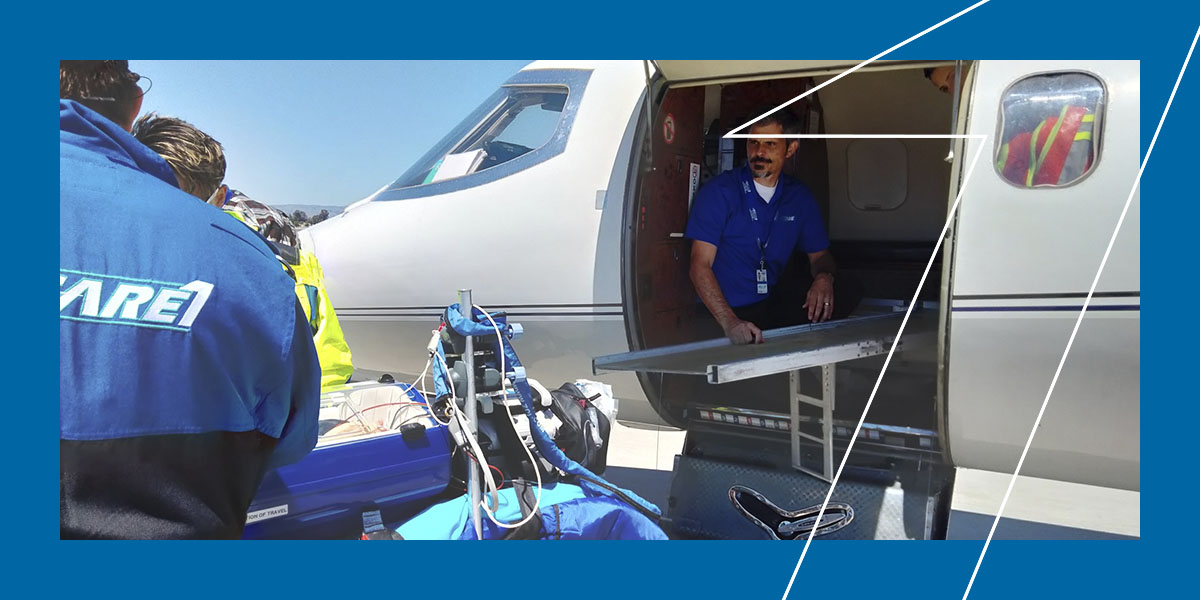
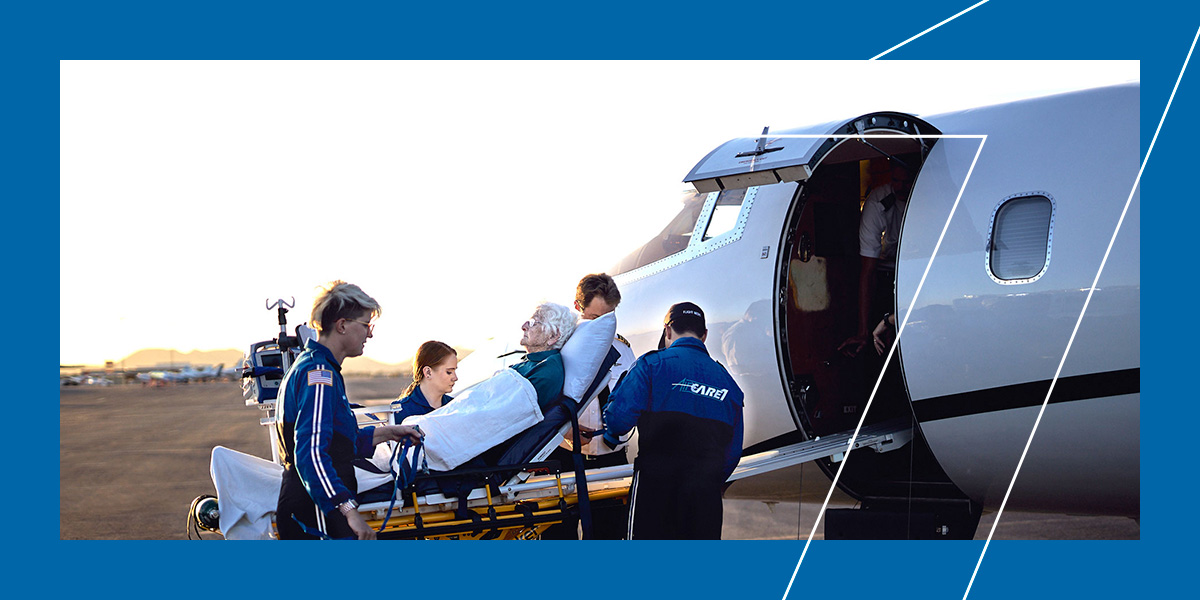
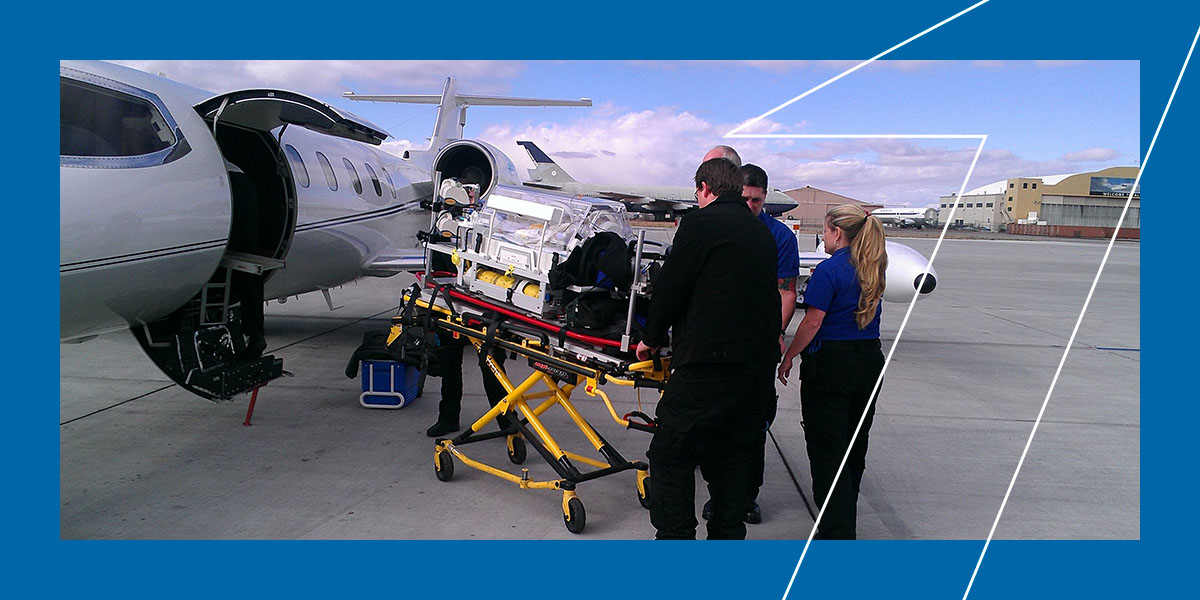
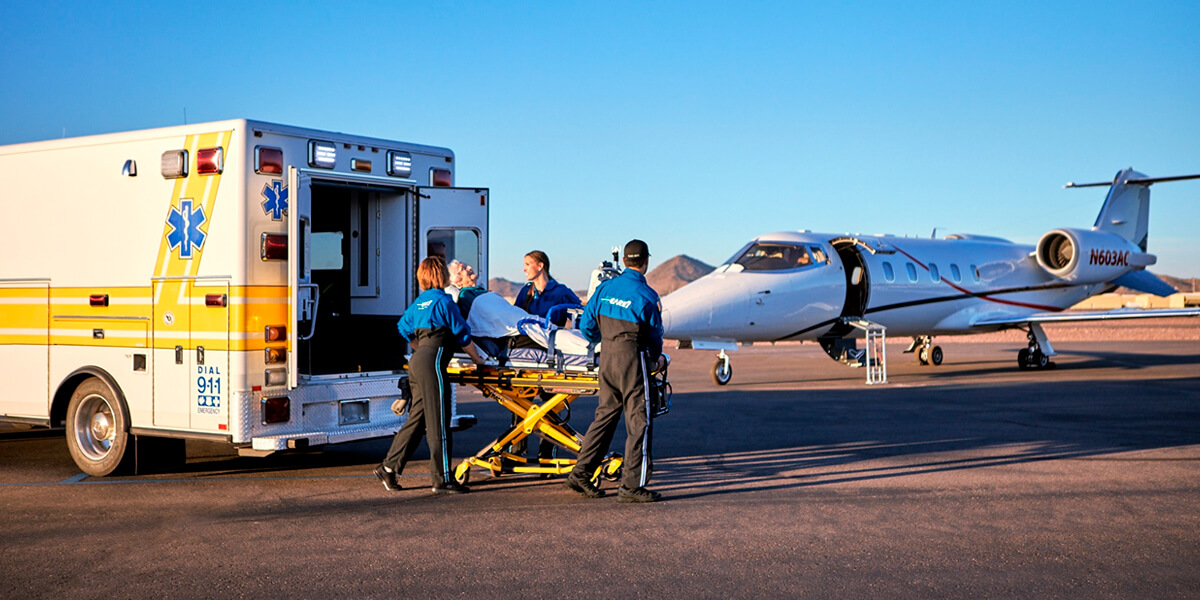
AirCARE1 International’s goal is simply to provide quality patient care by using the best aircraft, the best pilots, the best equipment and the very best medical team to provide that care. AirCARE1 International utilizes Lear 35A aircraft to transport medically compromised patients in a pleasant, medically safe environment. The Learjet uses a loading ramp designed specifically for safely loading patients into the aircraft to prevent dangerous tipping and tilting. The door to the Learjet is wider than standard commercial aircraft. “Unlike many others,” says Vice President and Co-Founder Jake Jacobsen, “AirCARE1 International’s Learjets fly above commercial altitudes for smoother flights and have greater range for faster flights with fewer stops minimizing patient transport time.”

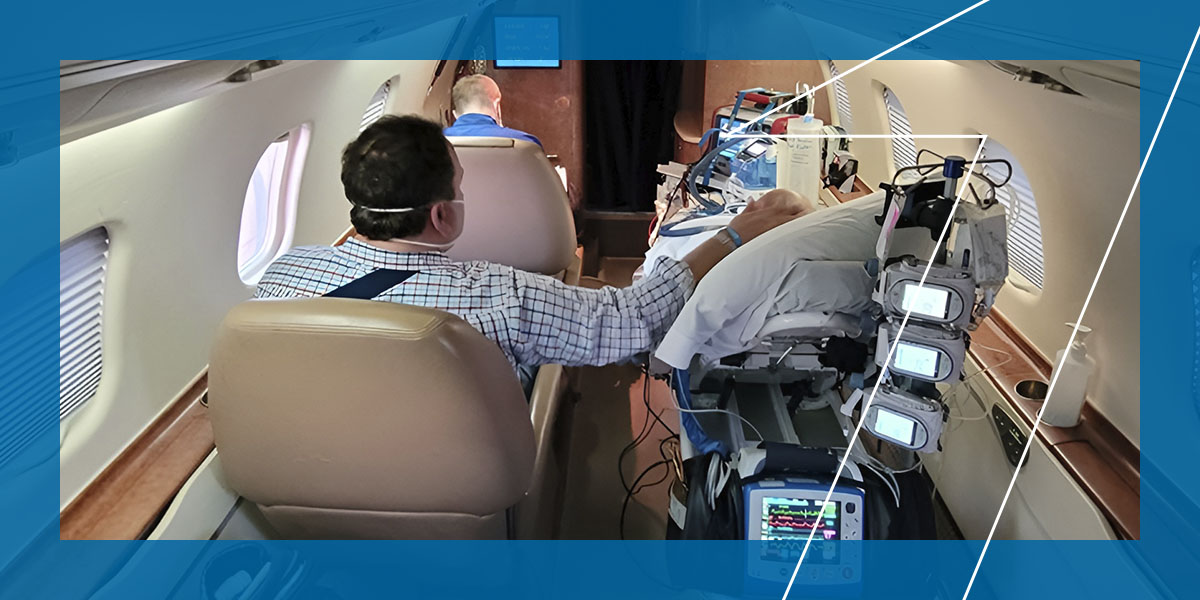
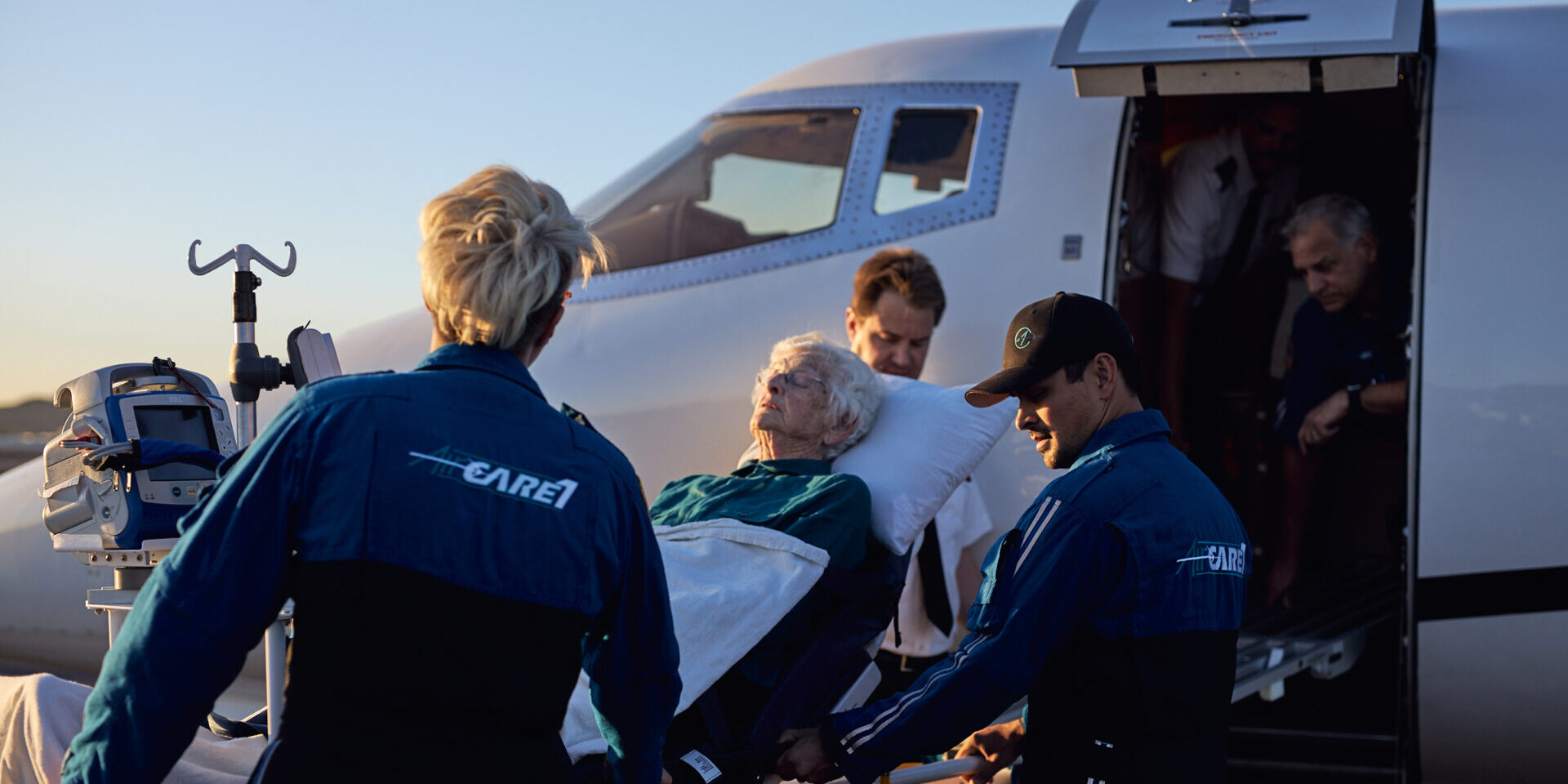
Onboard, AirCARE1 International uses a customized patient care system that includes an exclusive double thick mattress, an integrated knee bracket for patient positioning, and an arch monitoring system that attaches directly to the stretcher so patients are continuously monitored every step of the way while the AirCARE1 medical team transports the patient bedside to bedside. The AirCARE1 team includes pilots, critical care nurses, paramedics, respiratory therapists as well as physicians.

Additionally, AirCARE1 International provides noise-cancelling headsets with therapeutic music as well as touch therapy during flight. These comfort measures provide an additional level of care to our patients while providing peace of mind for them as well as their family members.

About American CareSource Holdings, Inc.

American CareSource Holdings, the first national, publicly traded ancillary care network services company, offers a comprehensive national network of over 4,000 ancillary service providers at more than 30,000 sites through its subsidiary, Ancillary Care Services. Ancillary Care Services provides ancillary health care services through its network that offers cost effective alternatives to physician and hospital-based services. This market is estimated at $574 billion, and has grown to 30% of total national health expenditures. These providers offer services in over 31 categories, including laboratories, dialysis centers, free-standing diagnostic imaging centers, non-hospital surgery centers, as well as durable medical equipment such as orthotics and prosthetics, and others.

The Company’s ancillary network and management provides a complete outsourced solution for a wide variety of health care payors and plan sponsors including self-insured employers, indemnity insurers, PPOs, HMOs, third party administrators and both federal and local governments. For additional information, please visit www.anci-care.com.

Safe Harbor Statement Under the Private Securities Litigation Reform Act of 1995:

Any statements that are not historical facts contained in this release, including with respect to future engagements by clients, revenue growth, earnings, and guidance are forward-looking statements. It is possible that the assumptions made by American CareSource Holdings, Inc. for purposes of such statements may prove to be inaccurate or may not materialize. Actual results may differ materially from those projected or implied in any forward-looking statements. Such statements may involve further risks and uncertainties, including but not limited to those relating to demand for our services, pricing, market acceptance, our ability to integrate with our clients, our ability to attract and maintain providers, our ability to manage growth, the effect of economic, political and regulatory conditions, the effect of competition, risks in product development, the ability to complete transactions, and other risks identified in this release, and the Securities and Exchange Commission filings of American CareSource Holdings, Inc.

Holistic Care in the Air

February 3rd, 2009

Originally published in Case in Point magazine, the official magazine of the Case Management Society of America:
MY FIRST DAY AS A FLIGHT NURSE was both a daunting and an intimidating experience. Waking up well before dawn, I prepared to fly to Florida to pick up a patient and transport him to California. At the office, I met the paramedic who was going to be my partner on my inaugural flight. Since it was my first time, my partner helped me gather the necessary equipment, and we discussed our patient as we loaded the plane. It was exciting to
look out the front of the aircraft as we sped down the runway in a Lear jet, and when we took off, I felt the greatest force I had ever experienced. I had just entered the exciting world of flight nursing.

Having worked as a critical care nurse in a variety of settings, I was always looking for new adventures. So when an opportunity arose with a busy, long-range, fixed-wing air ambulance provider, I saw it as a way to use all of my critical care nursing skills while still taking care of patients, although in an entirely new and stimulating setting

What I found was an industry intent on transporting patients to their destinations as quickly as possible — sometimes, a bit too intent. I saw that in the rush to transport patients quickly, their emotional needs were often not well addressed. Moving critical and noncritical patients out of the relatively quiet environment of a hospital and into the noisy environment of a flight often induced psychological changes in patients, which was detrimental to their physical well-being. I could often sense patients’ fear and anxiety upon finding themselves in this disruptive setting.

Speaking with patients and their family members, and reviewing research, I began to see how we could better address their emotional needs by implementing a holistic approach to care in the air, and how this might provide a calming, more positive experience for both patients and their family members during the flight process.

After studying the industry for some time, I soon realized that if my vision for this kind of air transport care was ever going to be realized, I would have to launch my own air ambulance company.  It would be dedicated to delivering holistic care to patients during their journey in the air. My business partner and I settled on a care model that would offer a top-notch airborne intensive care setting, while maintaining a pleasant medical environment and connecting to patients’ and family members’ emotional needs.

We designed a specific system for giving patients a sense of calm and well-being during their journeys, thus reducing stresa nd anxiety. We found that little things had the potential to make huge differences for our patients; the difference really was in the details.

Patient comfort and safety

Providing patients with an oversized mattress to lay on, along with an integrated knee bracket in the patient care system, gives our patients increased comfort, especially during long-distance flights. These two measures alone have helped significantly decrease lower back pain that previously resulted from thin mattresses without knee brackets. With this very basic change, patients tolerate long flights much better, helping to preserve their energy. Family members also experience comfortable executive-quality seating on board the aircraft.

Feeling safe is a basic human need. We installed a loading ramp to help avoid frightening and dangerous tipping and tilting during boarding, providing a safer, more comfortable and more secure way to bring patients onto the aircraft. Manually boarding patients can compromise their sense of safety. We’ve found the ramp has been a big step forward in helping address a patient’s needs to feel safe throughout the air transport experience.

Music therapy

Another element of our holistic approach is music. Therapeutic music has a powerful effect on the human soul and during flight, helps to relax and sooth patients. We use it to help give patients a physical and emotional sense of well-being. Noise canceling headsets also help to block out the sometimes disturbing noise of jet flight, while creating a calm and soothing environment. And while music distracts, it also actives the flow of endorphins, helping to lessen pain. Music also gives patients a sense of control and helps master fear, resulting in less anxiety or discomfort. We’ve seen reductions in our patients’ blood pressure and heart rates, and have observed a decreased need for sedation while listening to therapeutic music.

Therapeutic hand massage

Touch is a basic human need on both a physical and emotional level. Oftentimes, patients experience touch deprivation while in the hospital. They may have experienced physical contact there during medical procedures, but not on a personal level. Hand massages during flight help create a positive interaction between the flight crew and patient. Evidence shows touch therapy helps release oxytocin, reducing blood pressure and lowering any stress the patient may be feeling. We also have found extending this therapy to family members helps facilitate a warm and relaxing environment.

Aromatherapy

The lotions used during in-flight hand massages are scented, providing a form of aromatherapy that its not only pleasant, but also therapeutic for patients and family members. Research has shown that certain scents may actually alter brain waves, helping to calm and relax patients. We have certainly witnessed the positive impact they had on our patients and their families.

Entertainment

Offering visual entertainment in the form of DVDs can also provide patients and family members with a healthy diversion during their flight. We’ve found this is is particularly helpful for pediatric patients, as it both entertains them and helps reduce any fears they may have about their surroundings. Our flight crews often inquire before a flight which films are a pediatric patient’s favorites so we’ll have them on hand.

Results: Better Outcomes

By attending to the physical needs of the patient, and holistically addressing the psychological needs of both patients and their families while caring for them in the air, we have significantly reduced their stress and anxiety levels. Our methos have considerably improved our patients’ comfort, preserved their energy and enhanced their sense of well-being. We feel that this approach can’t help but provide for better outcomes.

In the end, it’s all about the patient and the family. Knowing you have made a difference for them during a difficult time in their lives is one of the most gratifying experiences in flight nursing.

PUBLIC NOTICE

July 9th, 2007
PUBLIC NOTICE

The Commission on Accreditation of Medical Transport Systems will conduct an accreditation site visit of:

Critical Air Response Enterprises, LLC

On August 9th and 10th 2007

The purpose of the site visit will be to evaluate the program’s compliance with nationally established medical transport standards. The site visit results will be used to determine whether, and the conditions under which accreditation should be awarded to the program.

CAMTS accreditation standards deal with issues of patient care and safety of the transport environment. Anyone believing that he or she has pertinent or valid information about such matters may request a public information interview with the CAMTS site surveyors at the time of the site visit. Information presented at the interview will be carefully evaluated for relevance to the accreditation process. Requests for public information interviews must be made in writing and sent to CAMTS no later than 5 business days before the site survey begins. The request should also indicate the nature of the information to be provided during the interview. Such request should be addressed to:

Office of the Executive Director
Commission on Accreditation of Medical Transport Systems
PO Box 1305
Anderson, SC 29622

The Commission will acknowledge such written requests in writing or by telephone and will inform the program of the request for an interview. The program will, in turn, notify the interviewee of the date, time and place of the meeting.

This notice is posted in accordance with the CAMTS requirements and may not be removed until the site visit is completed.

Date Posted:  July 9th, 2007.

The US Military’s MEDEVAC Unit in Iraq

February 11th, 2007

The United States Army’s MEDEVAC unit in Iraq has become an important part of medical service for US troops in Iraq. A recent article describes the life of the air ambulance company serving northern Iraq, which consists of several Black Hawk helicopter pilots, crew chiefs and flight medics. According to the article, this air ambulance company runs a tight ship:

“You’re trying to get some sleep, you wake up, run as fast as you can and try to put your gear on,” Egbert said. “Usually the crew chief will go out to get the aircraft ready while the medic and pilot in charge stay to get info from command post. Our goal is to be in the air in (less than) 10 minutes.”

The air ambulance unit has a lot to figure out in that short period of time.  Among the considerations are where they’re going, the best way to get there and what kind of equipment the medics should bring, based on the injury that was reported to them.

However, war injuries aren’t the only people that this MEDEVAC unit services — this unit once saved a contractor that swallowed his dentures!

Be sure to read the article for lots of interesting information about the air ambulance company in Iraq.

Introducing AirCARE1’s Air Ambulance News Blog

November 17th, 2006

At AirCareOne.com, one of our goals is educate and inform website visitors by providing useful resources and information for understanding and choosing air ambulance services. To further realize this goal, we are launching an air ambulance news blog to keep our site users abreast of the latest developments in the air ambulance world.

Please feel free to contact us if you have any comments, suggestions or news tips!